Inner critic and emotional suppression how they silently shape your body’s stress response
Inner critic and emotional suppression are deeply intertwined phenomena that both reflect and reinforce the body’s chronic holding patterns known as body armor or character armor. Luiza Meneghim emotional healing character structure arises from early developmental wounding and relational disturbances, crystallizing as habitual patterns of tension, contraction, and defense that shape the way we perceive and react to ourselves and the world. Psychotherapists, psychology students, and self-aware individuals seeking profound self-understanding must recognize that the inner critic is not simply a mental voice but is anchored somatically—embedded in muscular tension, respiratory restrictions, and bioenergetic constriction, all of which serve to maintain the costly mechanism of emotional suppression. Grounded in the insights of Wilhelm Reich’s character analysis and Alexander Lowen’s bioenergetic analysis, this article explores the physiology and psychology of the inner critic and emotional suppression with precision and depth.
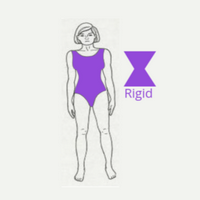
Our discussion will illuminate how the inner critic sustains the protective shell of the Perfectionist and Obsessional character structures, how the fear of vulnerability often propels these dynamics, and how the interplay between mind and body shapes the life of the Achiever. From the imprint of the oedipal wound in adult relational patterns to the transformative potential of somatic therapy in softening rigidity, we will offer clinical insights and practical frameworks indispensable for understanding and working with these profound psychophysical defenses.
First, we examine how the inner critic and emotional suppression function as adaptive yet ultimately self-defeating defenses.
The Inner Critic as a Somatic and Psychological Defense
The inner critic arises from developmental trauma and relational failures that have necessitated an internalized evaluator—a harsh, constant voice that monitors, judges, and attempts to prevent perceived threats of emotional pain. This voice can manifest as a relentless standard of perfectionism, chronic self-blame, or a critical suppression of feelings. The inner critic’s voice often echoes the withholding or punitive voices of primary caregivers, and its power is sustained through the character armor formed in the body.
Character Armor and the Root of the Inner Critic
Wilhelm Reich first illuminated how psychological defenses manifest physically as patterns of muscular tension and rigidity, collectively termed character armor. This armor is less about conscious control and more about conditioned defense, where the body becomes a container for unprocessed emotions and sensations. The inner critic is lodged within this armor—it functions to inhibit the spontaneous flow of life energy (orgone energy, in Reichian terms) and to maintain a sense of safety through control.
In certain character structures, such as the Perfectionist or Obsessional, the armor can be especially rigid, supporting a mental narrative of flawlessness and relentless self-monitoring. Within the bioenergetic framework, this rigidity manifests as chronic breathing restrictions and muscle contractions in the diaphragm and shoulders, effectively dampening emotional expression and expanding the critical inner voice’s reach.
The Psychological Role: Perfectionism as a Shield Against Vulnerability
The inner critic frequently masquerades as a protector. In high-achieving or emotionally guarded individuals, perfectionism acts as a barrier against exposing the self to the painful rawness of vulnerability. The critic enforces strict standards not merely as a pursuit of excellence but as a strategic defense against feelings of shame, rejection, or abandonment. The fear of vulnerability inherent in this dynamic is deeply imprinted during early relational trauma—particularly within the oedipal wound complex, where conflicted attachment patterns shape a person’s ability to receive love unconditionally.
For the Achiever archetype, whose self-worth hinges on external validation, the inner critic can be the narrative driver ensuring relentless performance and emotional containment. This emotional suppression, while adaptive in the short term, ultimately leads to reduced somatic awareness, emotional numbness, and translational somatic symptoms such as chronic pain or cardiovascular tension.
Emotional Suppression: The Somatic Manifestation of the Inner Critic
Transitioning from the psychological voice of the inner critic to its somatic counterpart, emotional suppression is a key process where feelings are inhibited or denied at a bodily level, rather than simply ignored cognitively. This distinction is critical for psychotherapists and body-centered practitioners, as unaddressed bodily tension perpetuates the very psychological patterns clients seek to change.
The Physiology of Emotional Suppression and Body Armor
Emotional suppression works through sustained tightening of muscle groups—often invisible to the client but palpable in therapeutic encounters. For instance, tension in the solar plexus, neck, and jaw are common repositories for withheld anger or anxiety. The respiratory system, so integral to emotional expression, is compromised as the diaphragm becomes constricted, limiting breath and fostering a chronic low-level activation of the sympathetic nervous system.
Lowen’s bioenergetics demonstrates how releasing this tension through targeted exercises—grounding, deep breathing, expressive movement—can restore energy flow and reduce the dominance of the inner critic’s harsh voice. The body, once freed from armor, signals a space where the inner critic is no longer necessary as a sentinel, allowing previously suppressed emotions to surface and be integrated.
The Cycle of Suppression and Inner Criticism in High-Achievers
High-achieving individuals typically exhibit a strong cycle of emotional suppression intertwined with their inner critic. They are often fueled by an internal narrative that equates worthiness with productivity, competence, and control. Emotional expression, especially of vulnerability, is seen as a liability. Consequently, the body’s habitual repression becomes a chronic state, locking clients into a hypervigilant and exhausted state that only intensifies self-criticism.
Psychotherapists working with such clients recognize that it is insufficient to target cognition alone; the character structure must be addressed somatically, inviting the client toward conscious inhabitation of the body and rediscovery of natural emotional rhythms. Bioenergetic practices offer invaluable tools here, enabling a collapse of the inner critic’s tyrannical command by fostering physical and emotional release simultaneously.
The Role of the Oedipal Wound and Relational Trauma
Understanding the emergence of the inner critic and emotional suppression necessitates exploring the roots within early developmental and relational trauma, particularly the dynamics captured by the concept of the oedipal wound. This wound encapsulates the child’s complex negotiation of attachment, authority, and individuation, often culminating in internalized self-judgment and emotional inhibition.
The Oedipal Wound's Contribution to Emotional Armor
The oedipal wound, in psychodynamic and somatic terms, reflects the unresolved conflicts and prohibitions within the child’s primary relationship with parental figures. When love is conditional or punitive, the child learns to embed emotional defenses to protect fragile attachment bonds. The resulting body armor and heightened inner critic work in tandem to safeguard the psyche but at the cost of disabling genuine emotional connection over time.
For the adult, this manifests as relational distance, chronic emotional suppression, and a relentless inner judge that seeks to keep the vulnerable self hidden. The genital character, considered by Reich as the healthiest character structure, symbolizes the pathway through which this rigified pattern may be dissolved by reclaiming natural sexual and emotional expression unencumbered by anxiety or judgment.
Attachment, Shame, and the Inner Critic
Attachment theory dovetails with this analysis by showing how early relational insecurity fosters shame, which the inner critic then amplifies. Shame is anchored somatically, often experienced as a constriction or collapse in posture and breath. This physiological experience signals the need for interventions that move beyond talk therapy explicitly to include somatic touchpoints.
This intersection of attachment trauma, shame, and character armor heightens the difficulty of overcoming emotional suppression, since the very experience of vulnerability triggers the inner critic’s punitive voice. Therapeutic approaches informed by Reichian and bioenergetic theory prove effective by addressing the triad simultaneously: releasing body tension, working through shame in relationship, and challenging internalized critical beliefs.
Somatic Therapy Techniques for Transforming Inner Critic and Emotional Suppression
Transitioning to strategies, powerful somatic interventions provide a pathway for psychotherapists and clients alike to engage with and transform the inner critic and emotional suppression. Rooted in the principles of Reichian character analysis and Lowenian bioenergetics, these techniques aim to dissolve character armor, restore breath, and reintegrate disowned emotional material.
Breathwork and Expressive Movement
Breath is a primary indicator and regulator of emotional and energetic flow. Releasing respiratory constriction through guided breathwork enhances vitality and weakens the grip of the inner critic by reducing physiological arousal linked to anxiety and self-judgment.
Expressive movement—such as shaking, grounding steps, or bioenergetic postures—mobilizes somatic release, reconnecting clients with instinctual emotional expression. By activating the body’s natural biofeedback loop, these modalities soften muscular armor and reduce the inner critic’s influence.
Character Analysis and Body Reading
Competent therapists utilize character analysis to identify which of the classic five character structures predominates in their client, enabling more precise interventions. For instance, the Oral character may carry unexpressed dependency and neediness bound in chest and neck tension, while the Psychopathic character may defend through externalized anger and a rigid spine.
Body reading during sessions reveals the localization of armor and guides therapeutic choices—where to apply pressure, encourage relaxation, or foster emotional expression. This embodied dialog with the body’s messages distinguishes somatic psychotherapy from purely cognitive modalities.
Psychotherapeutic Relationship and Emotional Safety
Addressing the inner critic requires more than techniques; the therapeutic relationship itself holds the potential to soften deep defenses. The therapist’s attuned presence invites the client to safely experience vulnerability, challenging the internalized punitive voices through relational correction. This process often catalyzes the spontaneous release of emotional suppression.
Somatic therapy simultaneously meets the client on layers of body, mind, and relational experience, creating a fertile ground for profound transformation. Clients may begin to witness the inner critic as a conditioned pattern rather than a fixed truth, allowing them to experiment with self-compassion and increased somatic freedom.
Summary and Actionable Next Steps for Healing the Inner Critic and Emotional Suppression
The intertwined phenomena of the inner critic and emotional suppression represent a biopsychosocial defense system rooted in early trauma, frozen in character armor, and maintained by habitual somatic contractions and mental narratives of self-judgment. For psychotherapists and self-aware adults alike, engaging these defenses demands an integrated approach that addresses mind, body, and relationships simultaneously.
Actionable next steps include:

- Begin somatic awareness practices: cultivate mindfulness of breath, posture, and habitual tension to recognize armor patterns.
- Incorporate bioenergetic exercises: grounding, breathing, and expressive movement to help release muscular constriction.
- Practice compassionate self-inquiry: identify and dialogue with the inner critic as a conditioned protective voice rather than absolute truth.
- Seek relational containment: therapeutic or supportive relationships that can hold vulnerability safely and model acceptance.
- Engage in character analysis: explore how particular character structures manifest to tailor strategies for release and healing.
Integrating these insights and interventions dissolves the toxic alliance between the inner critic and emotional suppression, freeing a fuller experience of aliveness, authenticity, and relational connection. Bioenergetic softening of rigidity enables the reprise of natural emotional flow and undermines the fears that have long perpetuated isolation and self-criticism.